
About this book
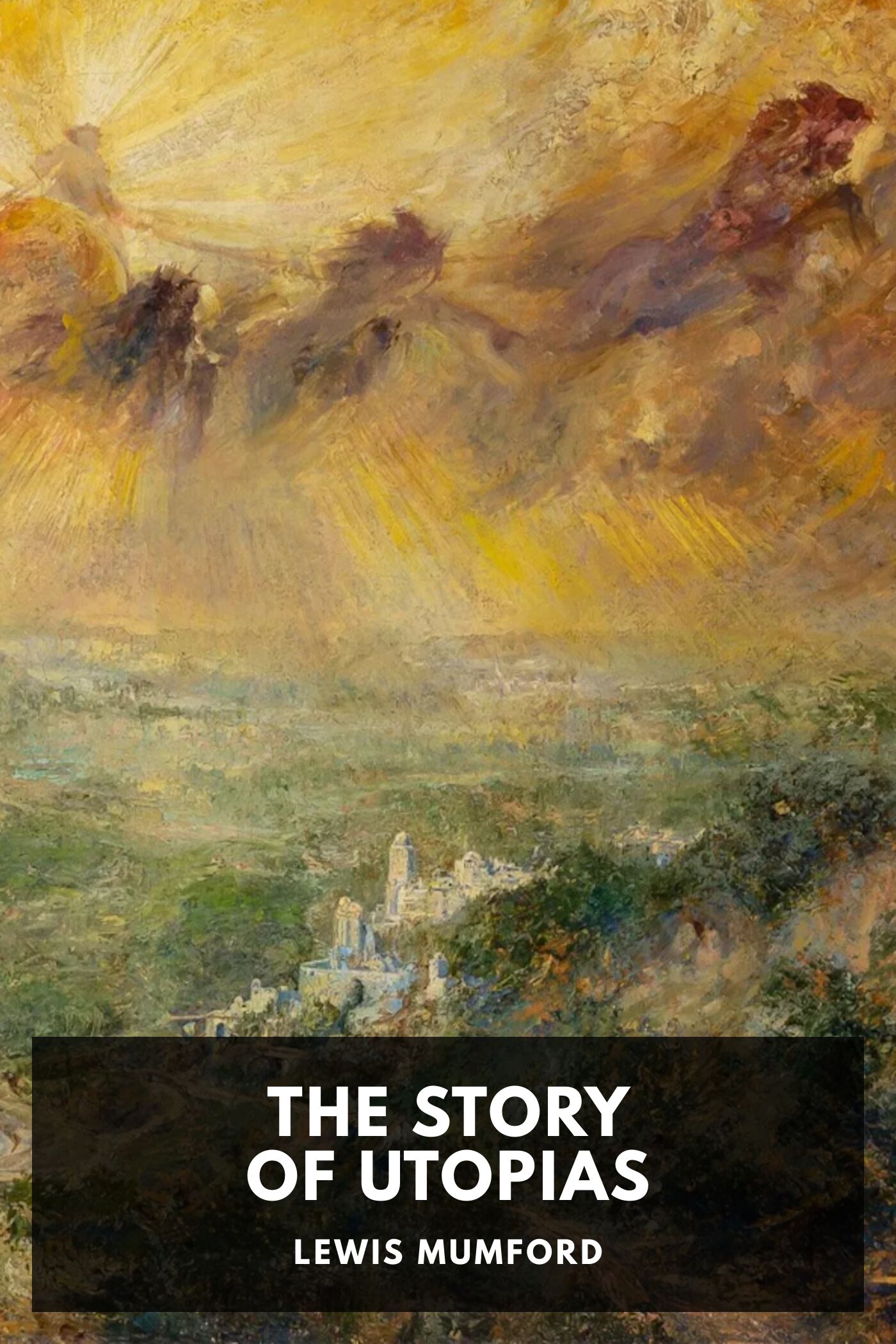
The concept of an ideal society has long existed in literature. In The Story of Utopias Lewis Mumford explains how imaginative utopias can be used either as an escape from daily life, or as the beginning of an actionable path to a better society. He begins by tracing the historical evolution of the concept of utopia, from Plato’s Republic and More’s Utopia , through to the nineteenth and early twentieth century utopias of William Morris and H. G. Wells . Along the way Mumford discusses how these ideal societies were influenced by the not-so-perfect societies the authors lived in, as well as the impact they had on public thought and sentiment.
Mumford discusses how the society of his time, especially the consumer paradise of the country manors and their opposites, the industrial Coketowns, was made possible by a particular worldview that prioritizes consumers over producers. This worldview holds that a utopia can be achieved solely through technical, laborsaving improvements. Even revolutionary countermovements came to accept this premise, with the corollary that salvation lies in a better distribution of material goods. Furthermore, Mumford asserts that science has become a tool for mass production, and art a tool for expressing personal feelings without relation to society as whole. He concludes that in order to create a truly better society it’s essential to be able to dream and invent a more appealing version of utopia that can reconcile both people’s material and spiritual needs.
Book Details
- Print length
- 283 pages
- Language
- English
- Publisher
- Standard Ebooks
- Publication date
- November 29, 2024
The Story of Utopias
Lewis MumfordMore from Lewis Mumford

More from Fiction

Moby Dick
Herman Melville

A Room With a View
E. M. Forster

Crime and Punishment
Fyodor Dostoevsky

Alice’s Adventures in Wonderland
Lewis Carroll

The Count of Monte Cristo
Alexandre Dumas

Middlemarch
George Eliot

The Blue Castle
L. M. Montgomery

The Adventures of Sherlock Holmes
Arthur Conan Doyle

Jane Eyre
Charlotte Brontë

The Mysteries of Udolpho
Ann Radcliffe