

About this book
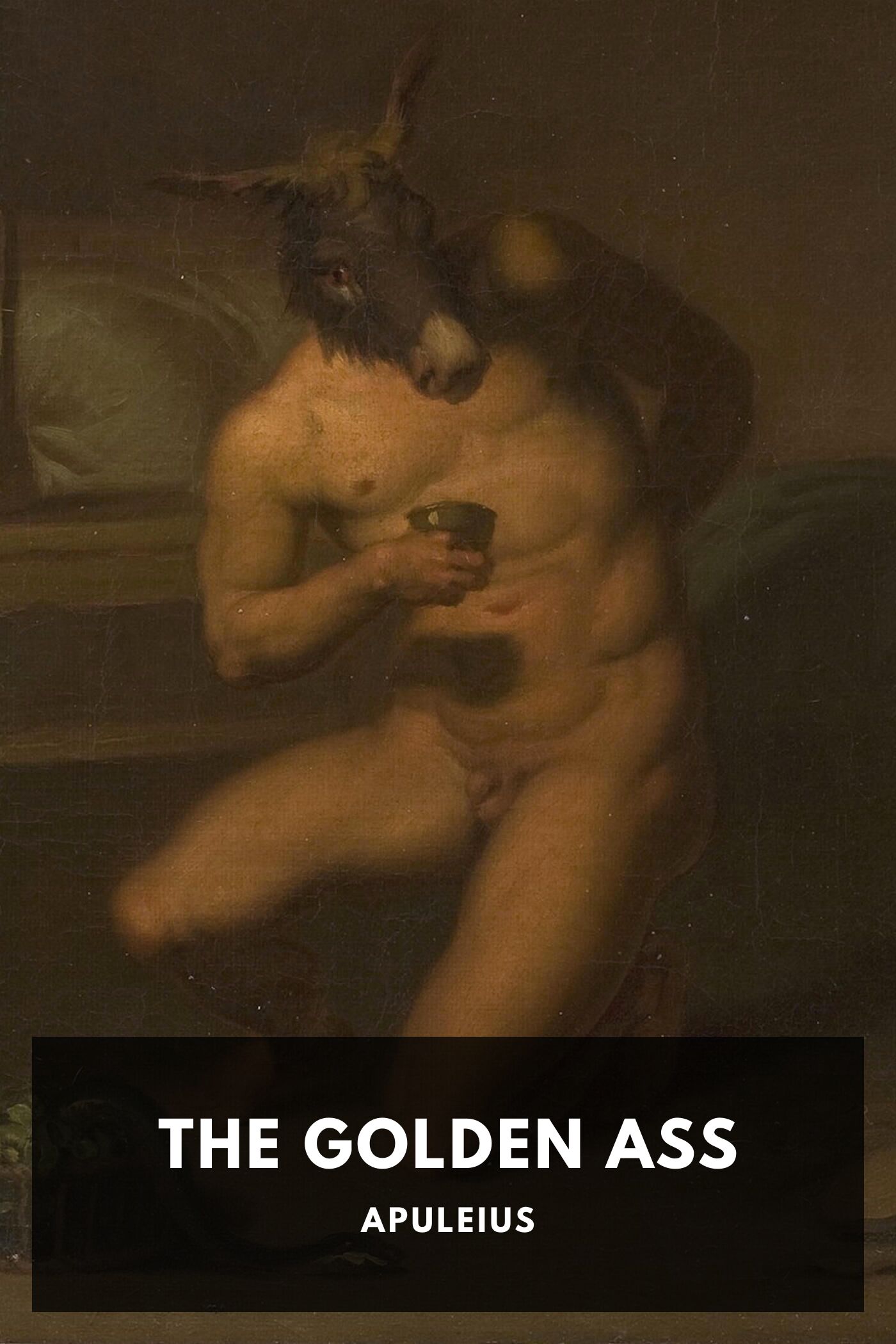
In The Golden Ass , or Metamorphoses , Lucian is on a business trip to Greece when his curiosity gets the best of him and he finds himself accidentally transformed into a donkey. He then narrates his provincial odyssey in a world where old gods rule, myth informs life, Fortune is fickle, Thessalian witches are puissant, and a curious man seeking to learn their craft might well lament making an ass of himself.
Apuleius was a second-century speaker and writer born in present-day Algeria who authors, narrates, and is the subject of this bawdy, picaresque, quasi-autobiographical story. He himself traveled extensively, studied philosophy, was initiated into mystery cults, and became a priest. He was also tried for witchcraft, accused of having betrothed his wife Pudentilla by charms other than those of his personality.
The novel was translated into “Tudor prose” by Adlington in 1566 during the “golden age of translation,” and it was this version that was read by Shakespeare and influenced his work. The novel contains many digression, mythological references, and inset stories, the most significant being the story of Cupid and Psyche.
This is the only complete Latin novel from antiquity that has survived to the present day, and has been called “a beginning of modern literature.” The Latin original was the one read by Augustine of Hippo who adapted Apuleius’ confessional style in his own writing—he even responded to Apuleius directly in his own philosophy. In its theology, The Golden Ass embodies an inclusive monotheism. From Kafka, to Pinocchio , to the motion picture The Fly , the influence of Apuleius and his Metamorphoses continues to be felt.
Book Details
- Print length
- 315 pages
- Language
- English
- Publisher
- Standard Ebooks
- Publication date
- August 15, 2022
The Golden Ass
ApuleiusMore from Adventure

Moby Dick
Herman Melville

The Count of Monte Cristo
Alexandre Dumas

The Mysteries of Udolpho
Ann Radcliffe

Twenty Years After
Alexandre Dumas

The Extraordinary Adventures of Arsène Lupin, Gentleman-Burglar
Maurice Leblanc

The Adventures of Tom Sawyer
Mark Twain

Thuvia, Maid of Mars
Edgar Rice Burroughs

The History of Tom Jones, a Foundling
Henry Fielding

Around the World in Eighty Days
Jules Verne

The Blue Lagoon
H. de Vere Stacpoole