
About this book
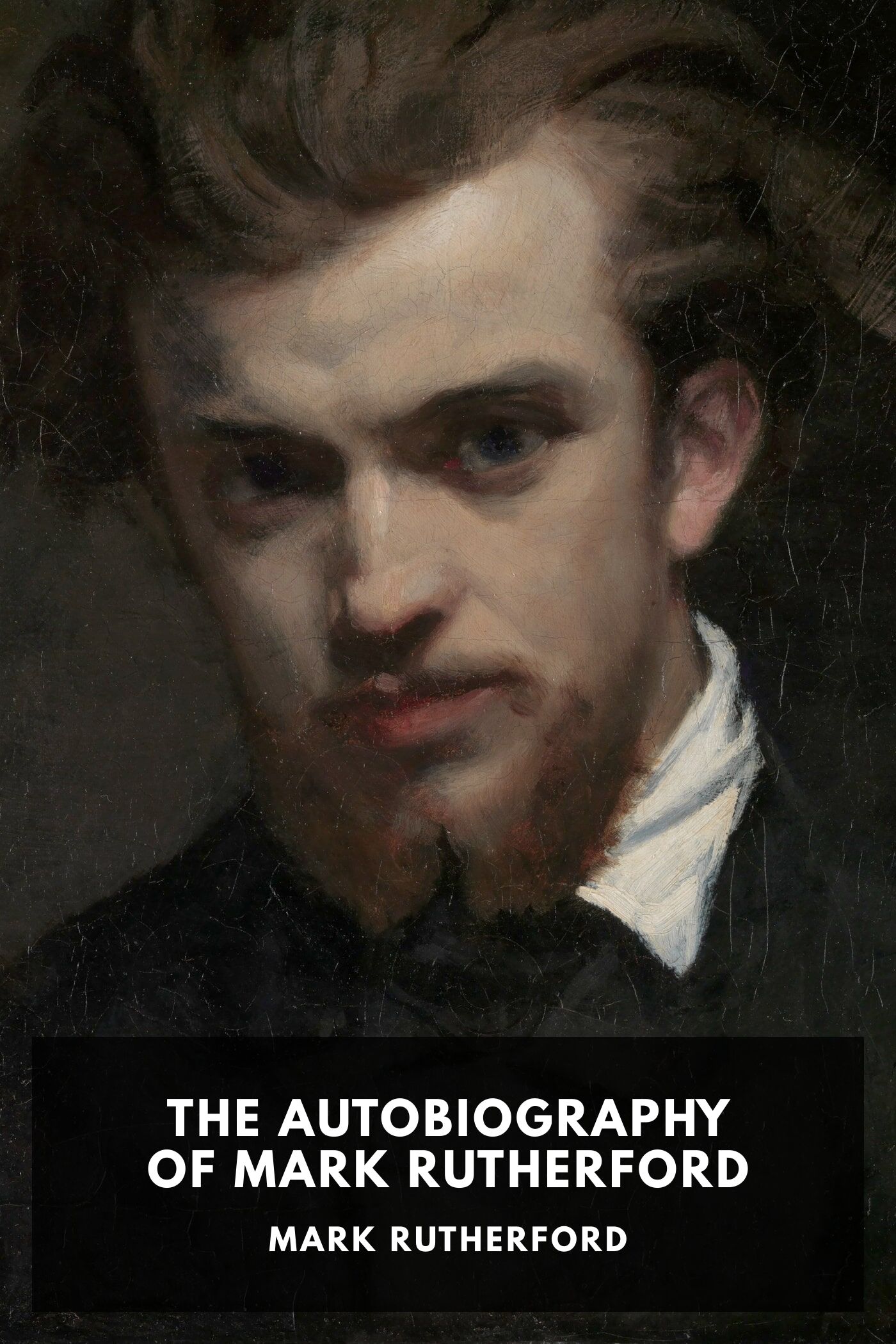
Born to a pious non-conformist home in the Midlands, Mark Rutherford trains for dissenting church ministry almost by default. Although outwardly not an especially devout young man, he nonetheless has depths to his spirit which lead him to seek meaning in his beliefs. As he settles into his first pastorate, Rutherford discovers that the substance of his creed is too faint to support his public ministry. As he reaches this crisis of faith, so too he reaches a point of crisis in personal relationships.
The Autobiography is the first novel by Mark Rutherford, the pen name of William Hale White. Beyond the pseudonym, the novel’s “editor,” Reuben Shapcott, who ostensibly contributes the preface as well as the concluding paragraphs, is a figment of White’s imagination. Even after White’s identity as the real author of the novel was uncovered, readers continued to wonder just what the relationship was between author and character, as the boundary between them is difficult to discern. How much this work of “autobiography” is actually fiction remains an open question.
By 1908 the Autobiography was being used as the leading example of what one essayist termed “autobiografiction,” or the blending of autobiography and fiction—an apt category for this story, in which so much of White’s real life is infused. As for the novel’s legacy, White’s contemporary, William Dean Howells , was deeply impressed by the novel, although he was also baffled by it. “We hardly know … whether to call [it] fiction,” he wrote in Harper’s Magazine , at a time when the true identity of the author was as yet unknown. Howells’s sense that “readers who can think and feel” would find themselves “deeply stirred by it” remains true well over a century later.
Book Details
- Print length
- 156 pages
- Language
- English
- Publisher
- Standard Ebooks
- Publication date
- February 24, 2024
The Autobiography of Mark Rutherford
Mark RutherfordMore from Mark Rutherford
More from Autobiography

Narrative of the Life of Frederick Douglass
Frederick Douglass

The Interesting Narrative of the Life of Olaudah Equiano
Olaudah Equiano

Incidents in the Life of a Slave Girl
Linda Brent

The Diary
Samuel Pepys

The Autobiography of Benjamin Franklin
Benjamin Franklin

Personal Memoirs of Ulysses S. Grant
Ulysses S. Grant

David Copperfield
Charles Dickens

Up from Slavery
Booker T. Washington

The Story of My Life
Helen Keller

Confessions of an English Opium-Eater
Thomas De Quincey