

About this book
The essential facts regarding Joan of Arc are well known. A young teenage girl hears voices that tell her she will deliver France from England’s oppression during the Hundred Years War. She manages to take her message to the dauphin, who after some persuasion places her at the head of his army. That army promptly lifts the siege of Orléans, throws the English out of the Loire valley, hands them another significant defeat at Patay, and marches all the way to Reims, where the dauphin is crowned King Charles VII. After an ill-advised and short-lived truce, Joan is captured by the Burgundians—French nobility who have aligned themselves with the English—and they try her for heresy and burn her at the stake.
Twain first became fascinated with Joan as a teenager. When he finally decided to write a book about her, he researched it for a dozen years and spent two more years writing it. It was, in his words, “the best of all my books,” and became his last finished novel. Although a work of fiction, Twain’s research was time well spent: the known facts of Joan’s life, and especially the trial, are very accurate in their depiction. To tell Joan’s story, Twain invented a memoirist, Louis de Conte, a fictionalized version of her real-life page, Louis de Contes. Twain has the fictional de Conte grow up with Joan, and so he is able to tell her story from her early childhood all the way through the trial and execution. The result is the story of one of the great women in history told by one of history’s great storytellers.
Book Details
- Print length
- 549 pages
- Language
- English
- Publisher
- Standard Ebooks
- Publication date
- July 10, 2021
Personal Recollections of Joan of Arc
Mark TwainMore from Mark Twain


More from Biography

Personal Memoirs of Ulysses S. Grant
Ulysses S. Grant

The Lives and Opinions of Eminent Philosophers
Diogenes Laërtius

Twelve Years a Slave
Solomon Northup
My Reminiscences
Rabindranath Tagore
Philosophical Works
René Descartes

A Negro Explorer at the North Pole
Matthew Henson
Wonderful Adventures of Mrs. Seacole in Many Lands
Mary Seacole
Essays
Henry David Thoreau
The Education of Henry Adams
Henry Adams
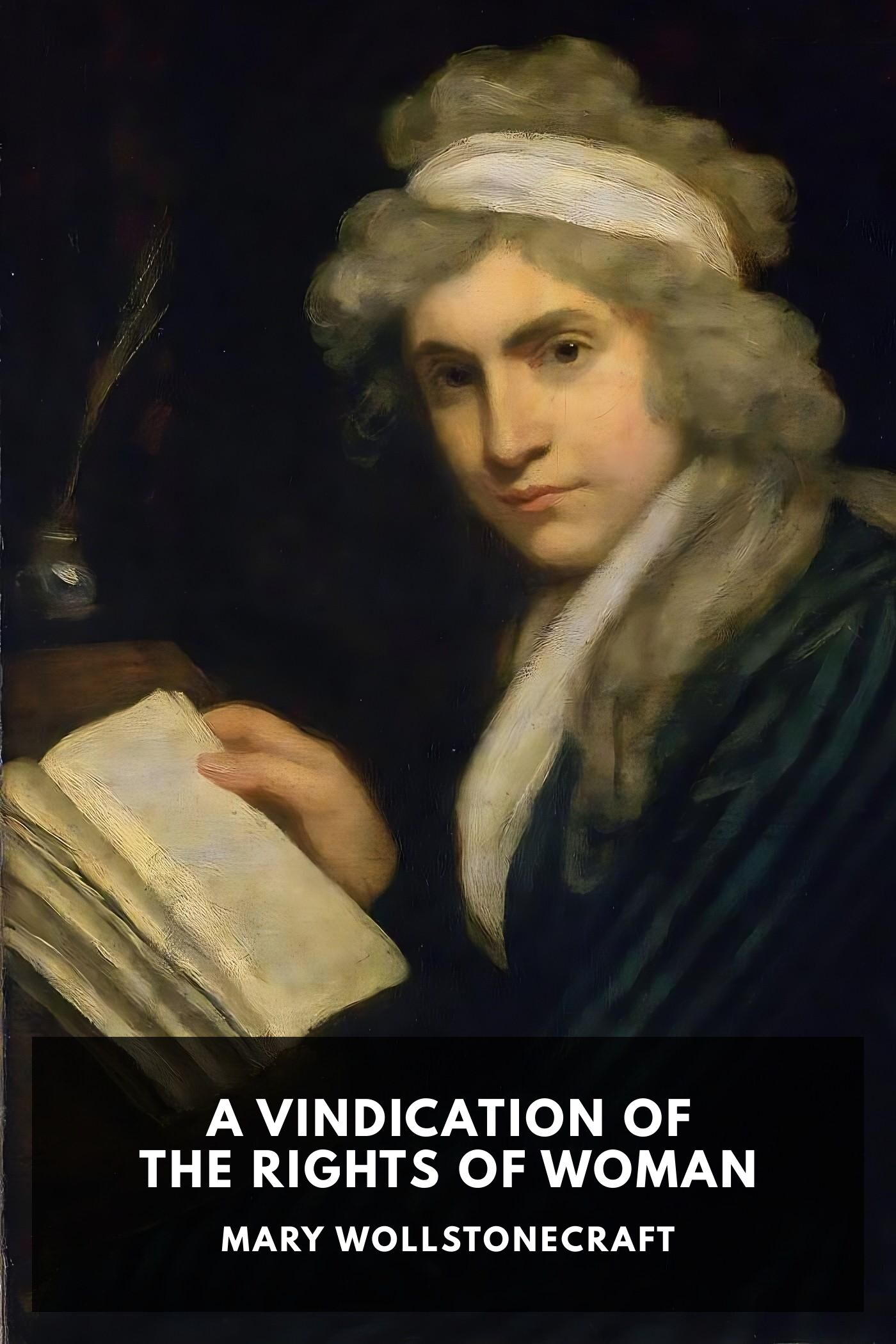
A Vindication of the Rights of Woman
Mary Wollstonecraft