

About this book
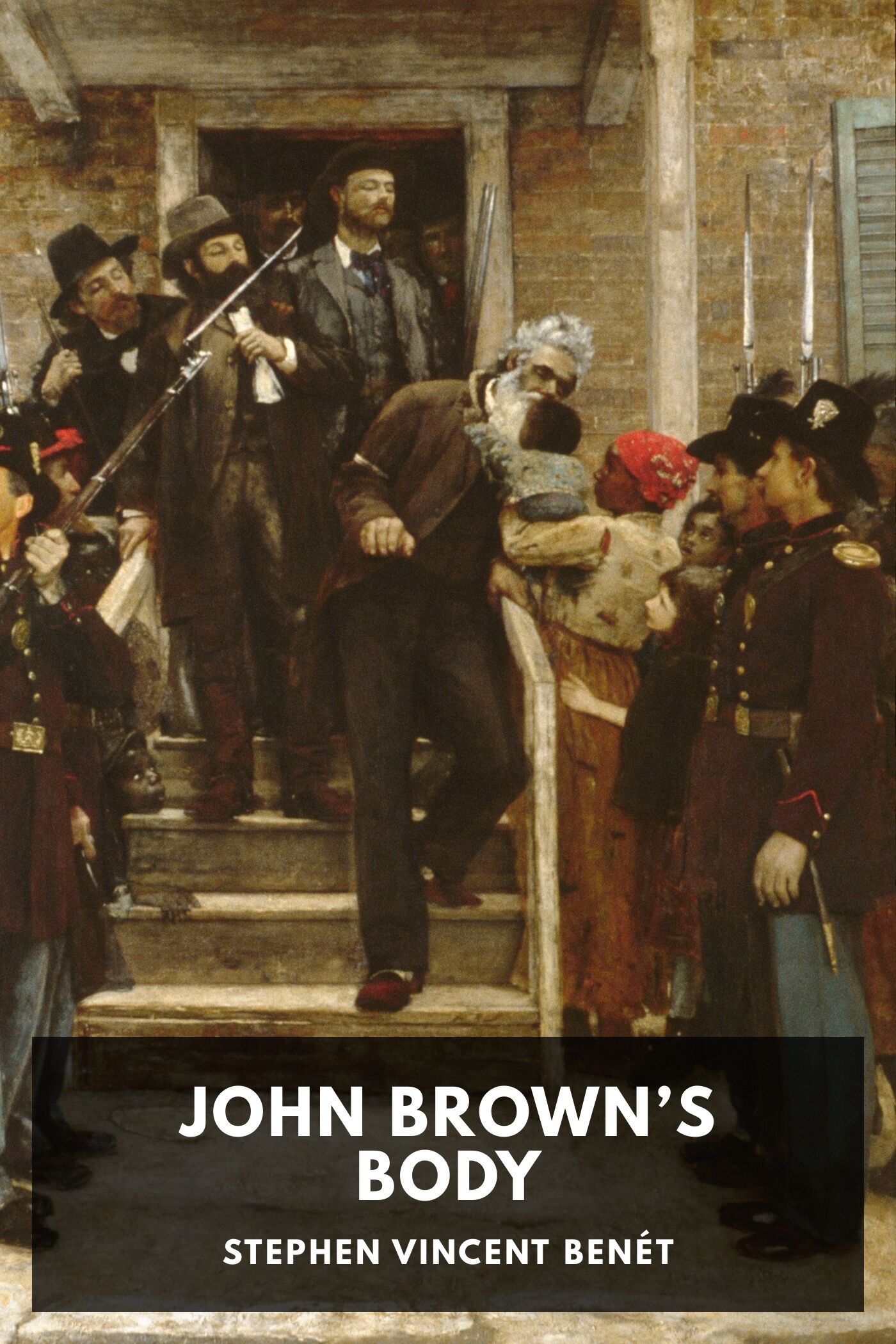
Stephen Vincent Benét’s epic poem John Brown’s Body uses the figure of the radical abolitionist John Brown as a symbolic catalyst to explore the vast and complex tapestry of the American Civil War. Rather than focusing on a single narrative, the poem employs a wide range of fictional characters and a shifting perspective to present the conflict from multiple angles, encompassing the experiences of soldiers and civilians from both the Union and the Confederacy. It delves into the deep-seated causes of the war, the fervent ideologies on each side, and the immense human cost, all while grappling with the central, haunting issue of slavery that divided the nation.
Benét wrote John Brown’s Body in the late 1920s, as the last Civil War veterans were passing away. He felt an urgent need to capture their fading stories before they were lost forever. He and his wife, Rosemary, buried themselves in research, turning their home into a map-strewn “war room.” The resulting poem, which won the Pulitzer Prize, was his attempt to build a national memorial out of words—not just for the generals, but for the forgotten soldiers, farmers, and enslaved people whose personal stories, he believed, were the true soul of American history.
Book Details
- Print length
- 374 pages
- Language
- English
- Publisher
- Standard Ebooks
- Publication date
- November 18, 2025
John Brown’s Body
Stephen Vincent BenétMore from Fiction

Moby Dick
Herman Melville

A Room With a View
E. M. Forster

Crime and Punishment
Fyodor Dostoevsky

Alice’s Adventures in Wonderland
Lewis Carroll

The Count of Monte Cristo
Alexandre Dumas

Middlemarch
George Eliot

The Blue Castle
L. M. Montgomery

The Adventures of Sherlock Holmes
Arthur Conan Doyle

Jane Eyre
Charlotte Brontë

The Mysteries of Udolpho
Ann Radcliffe