

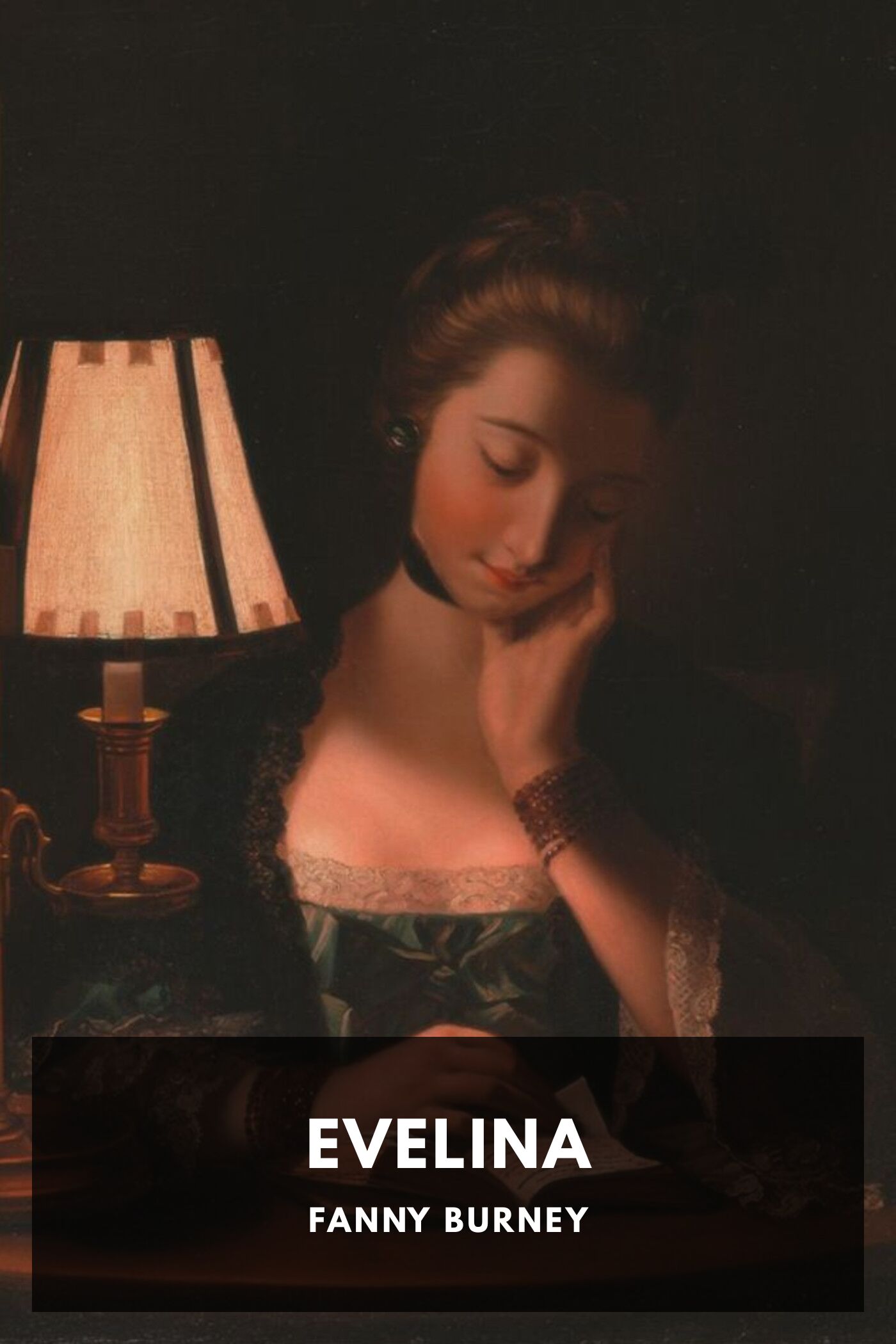
About this book
Evelina is an epistolary novel that follows the titular Evelina Anville as she navigates the challenging (and sometimes absurd) nuances of 18th-century English society. The novel begins as Evelina is invited to London by the Mirvan family, marking her first true exposure to English high society. She soon encounters a series of misunderstandings, social embarrassments, and would-be suitors. Evelina is naive but kind-hearted, and she finds that both goodness and meanness can be found in all stations of society in equal measure.
The novel captures the manners and customs of Georgian England, especially in regard to class distinctions and gender roles. Evelina’s position as a young woman born into nobility, but not acknowledged by her father, finds herself navigating challenging social dynamics throughout the novel, and meets with those who judge a person’s worth based on their birth. Further, Evelina faces the challenges inherent to a young unattached woman as she attempts to assert her agency while maintaining her dignity.
Evelina is an early example of the English romantic novel, and a fine example of social satire. When it was published in 1778, females were not encouraged to be writers, and Burney was forced to publish anonymously. Nevertheless, her work influenced writers like Jane Austen , who referred to Burney’s works in her novels and private letters, and continues to provide an insightful and often humorous lens through which to view the late 18th-century English aristocracy.
Book Details
- Print length
- 566 pages
- Language
- English
- Publisher
- Standard Ebooks
- Publication date
- October 29, 2024
Evelina
Fanny BurneyMore from Comedy

A Room With a View
E. M. Forster

Alice’s Adventures in Wonderland
Lewis Carroll

The Man Who Was Thursday
G. K. Chesterton

The Adventures of Tom Sawyer
Mark Twain

Cranford
Elizabeth Gaskell

The History of Tom Jones, a Foundling
Henry Fielding

A Midsummer Night’s Dream
William Shakespeare

Pride and Prejudice
Jane Austen

Short Fiction
H. Beam Piper

Golf Stories
P. G. Wodehouse